BUILDING IN PUBLIC (WHEN LIFE IS MESSY): HOW I’M BUILDING RAGSIMPLE FOR AI CREATORS AND BUILDERS
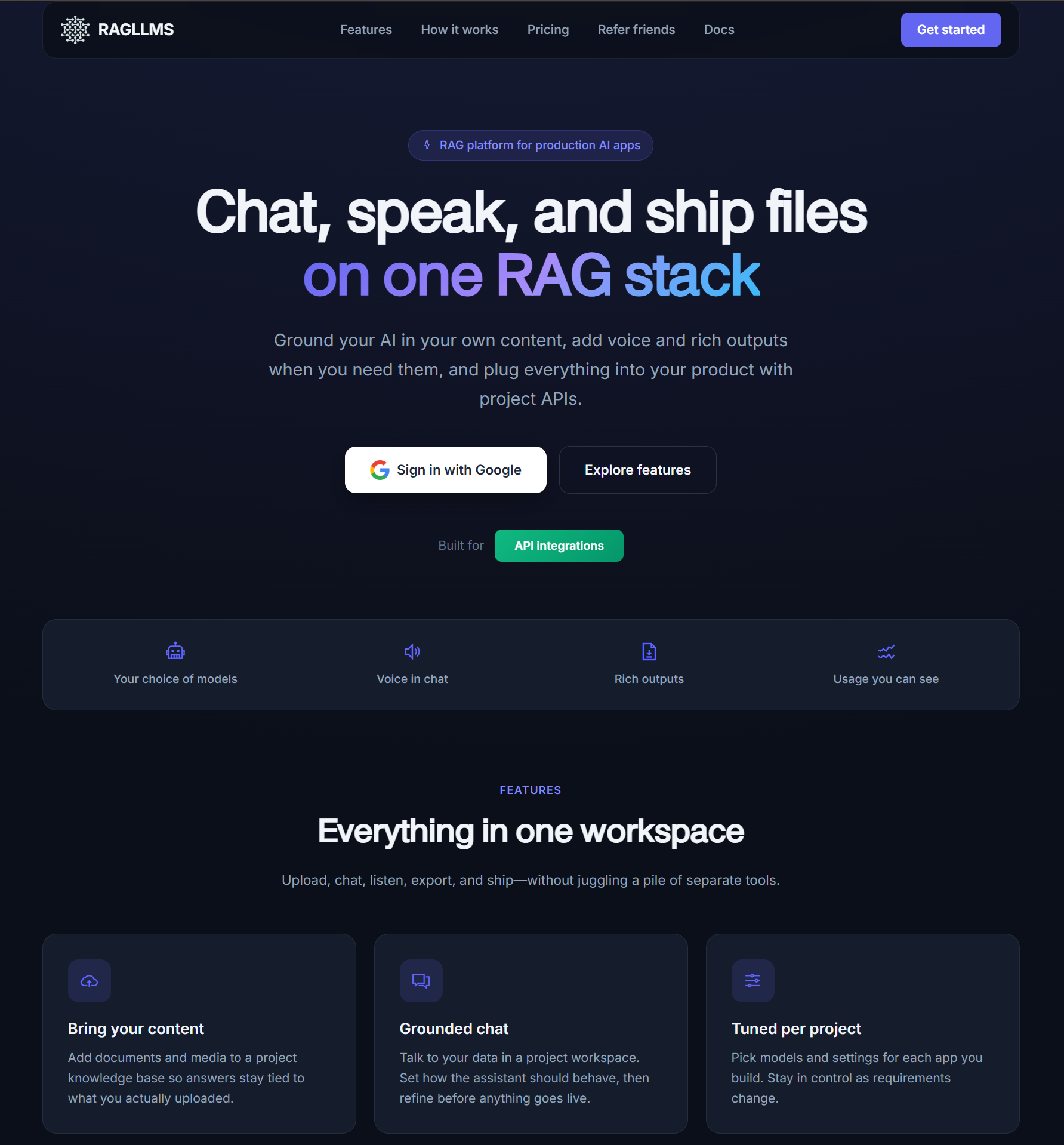
i’m learning that “building a product” in 2026 doesn’t just mean shipping features. it means building where people can see you work—building in public—and making sure the thing you’re making is actually usable, adopted, and talked about.
because a product no matter how good it is doesn’t really become a product if no one knows about it—or uses it.
that’s the mindset behind Ragsimple , a product i’m currently building with focus on three early niches:
ai content creators ai-based configurable knowledge bases (for internal or external tooling) general ai integrations at a high level, i want ragsimple to be a practical layer for builders and teams—something flexible enough to support real workflows, not just “cool demos.”
building a product now is harder than people admit i’m not going to pretend building is easy. lately, i’ve been dealing with a lot of involuntary, life-changing personal situations, and that adds a layer of friction most people don’t see.
some days i look at my to-do list and i’m completely unmotivated. other times i remember why i started—and that building is something i truly love doing. then, suddenly, i’m in it again, having the best time of my life, working on the product like it matters (because it does).
if you’re building too, you probably know this emotional rhythm already: motivation comes and goes, but consistency is what turns effort into progress.
where the idea came from the idea for ragsimple came to me around the time openai launched their assistants—so, well over a year ago.
back then, one of the biggest issues i was facing wasn’t just figuring out how to build with ai. it was paying for ai services in a way that worked for me.
most people i saw were using virtual cards. i didn’t have the resources for that. so i started thinking: could there be a solution that helps people like me—people who want to use high-quality ai, but need payments to work in their home currency and still deliver comparable (or better) quality than the usd-based setups?
that became the direction.
why i chose aggregation, not one-provider integration i knew i didn’t want to build a separate interface for every provider.
aggregation makes more sense. it creates flexibility and gives users options without forcing them into one ecosystem. instead of building and maintaining one provider-specific workflow after another, the goal is to build an interface that can sit on top of multiple services.
that approach also makes the product more resilient over time, because the ai landscape changes quickly—new models, new capabilities, new pricing, new limits. a layered product can adapt without requiring a total rebuild.
what i’m building next right now, ragsimple is centered around those three niches: ai content creation, configurable knowledge bases, and general ai integrations.
but the deeper goal is simpler: help people build useful ai-powered products without unnecessary friction—whether that friction is technical complexity, workflow gaps, or even basic access and payment constraints.
building in public isn’t just a marketing tactic for me. it’s a commitment to transparency: showing what’s working, what’s not, and how i’m thinking as the product evolves.
and yes—some days i’ll feel unstoppable. other days i’ll feel stuck. but the work continues, because this is a product i’ve wanted to build for over a year, and i still love doing it.
if you’re building too: what part of product-building feels hardest for you lately—distribution, motivation, technical complexity, or something else entirely?